By Tyler Kaulbars
I’m a nerd for trees and plants. I love what they bring to a place, from the shape of a canopy to the simple pleasure of watching birds move through the branches. That enthusiasm belongs in conversations about landscape changes. So does a clear understanding of what a property needs and what its trees can reasonably sustain.
For property managers, a proposed walkway, refreshed planting bed or redesigned common area can become a decision about an established tree. Arborists and ecological landscape professionals can help by making space for that decision early, while there is still room to explore options.
Start with what the tree contributes
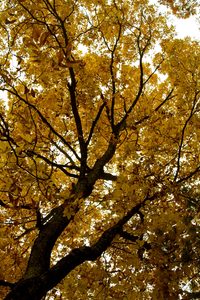
Before discussing what will change, look at what is already there. Trees can provide shade, habitat and beauty. Those benefits show up in ordinary moments: a more comfortable place to sit, a view from a window or something interesting to notice on a familiar walk. The joy of having living things around us deserves a place in the discussion.1
Ask residents and the manager what they value about the tree and what concern prompted the project. Is the goal to improve access, address a specific concern or change how a space looks? Write that objective in plain language. A request to remove a tree should lead to a conversation about the problem the removal is meant to solve.
Find out what the tree and site can support
Bring an arborist into planning before the layout and construction access are fixed. Share the proposed work, including excavation, grading, equipment routes and material storage. Roots and soil need consideration alongside the visible trunk and canopy. UF/IFAS guidance explains how construction traffic, root damage and changes in soil grade can harm trees selected for preservation.2
Ask for an explanation of the tree’s condition, the likely effects of the proposed work and any limits to the assessment. If a concern involves tree risk, involve an arborist with appropriate tree risk assessment training. Request recommendations that connect the findings to the ways people use the site.
Depending on the assessment, options may include changing the layout, moving an activity away from the tree, appropriate pruning or removal. Some trees present risks that make removal the responsible choice. Be direct about that possibility. The International Society of Arboriculture describes several management options; the right recommendation depends on the particular tree and setting.3
Turn the decision into a workable plan
If retention is feasible, ask what the project must do to support it. Where should protective fencing go? Which areas must stay clear of vehicles and materials? Who will explain the restrictions to each contractor? Have the arborist help establish protection appropriate to the tree and the work. Put it on the plan before equipment arrives.2
Make changes easy to raise. If a contractor needs a different access route or discovers a conflict, identify whom to contact before changing the agreed work. A short written record should identify the tree, the project objective, the recommendation and the person responsible for following through. Share it with the people making decisions and carrying out the work.
Keep caring after the project
Ask the arborist what follow-up care and reassessment are appropriate, and include them in the property’s maintenance plan. Construction effects may appear later, so the end of a project should not end attention to retained trees.4
Loving trees makes me want to understand them and give them a fair chance. For a managed property, that means listening to people’s concerns, getting informed advice and carrying a thoughtful decision through the work. Keeping an established tree can preserve something people already enjoy. It is worth asking what that would take before deciding it has to go.
Author bio and source notes
Author bio
Tyler Kaulbars is the founder of Arborist Art in Sarasota-Bradenton, Florida, and an ISA Certified Arborist (FL-6189A). His work includes homeowners’ associations and property-manager clients.
Sources
1. International Society of Arboriculture. Benefits of Trees
Shade, beauty and wildlife habitat.
2. Mark Hostetler and Glenn Acomb, UF/IFAS Extension, WEC278/UW323. Conservation Subdivision: Construction Phase—Protecting Trees and Conserved Natural Areas
Root and soil protection, construction access, storage areas and contractor coordination.
3. International Society of Arboriculture. Managing Hazards and Risk
Tree assessment and management options.
4. International Society of Arboriculture. Treatment of Trees Damaged by Construction
Delayed decline and monitoring after construction, page 2.
Article length: 613 words including subheadings. Title, byline, bio and source notes are excluded. Sources accessed October 12, 2026.