By Melissa Patrino, Director of Development
All photos courtesy of Santa Barbara Botanic Garden
In April 1926, following the first Board of Trustees meeting at Blaksley Botanic Garden (renamed Santa Barbara Botanic Garden in 1939), a leaflet was published to announce the inception of a new garden to the community. It noted that the donation of 15 acres (6 hectares) in Mission Canyon from Anna Dorinda Blaksley Bliss “makes possible the realization of dreams and plans that lovers of plants have cherished in Santa Barbara.”
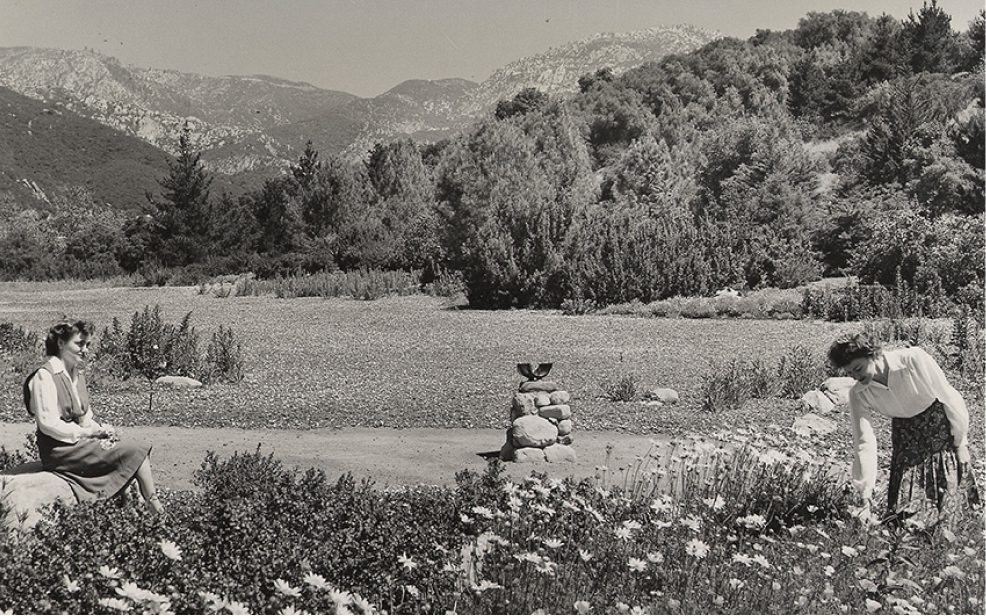
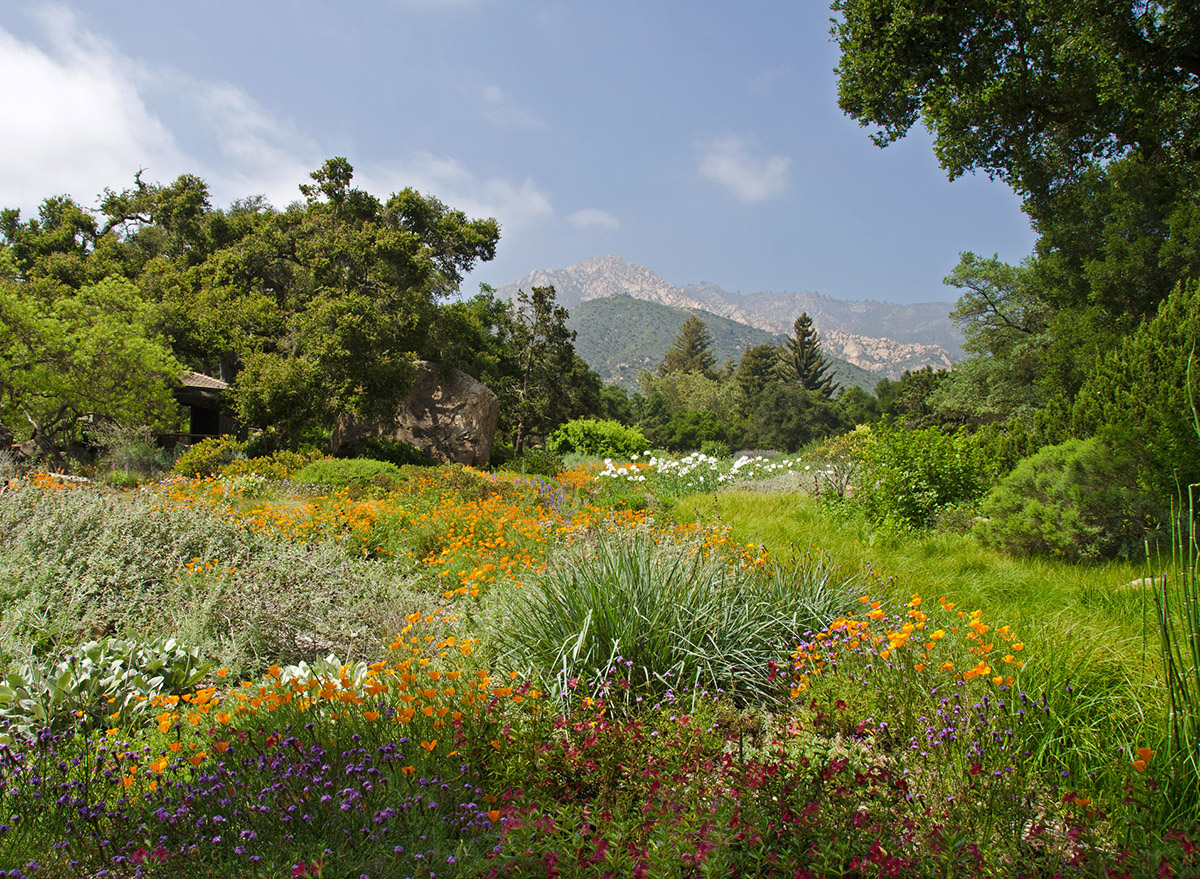
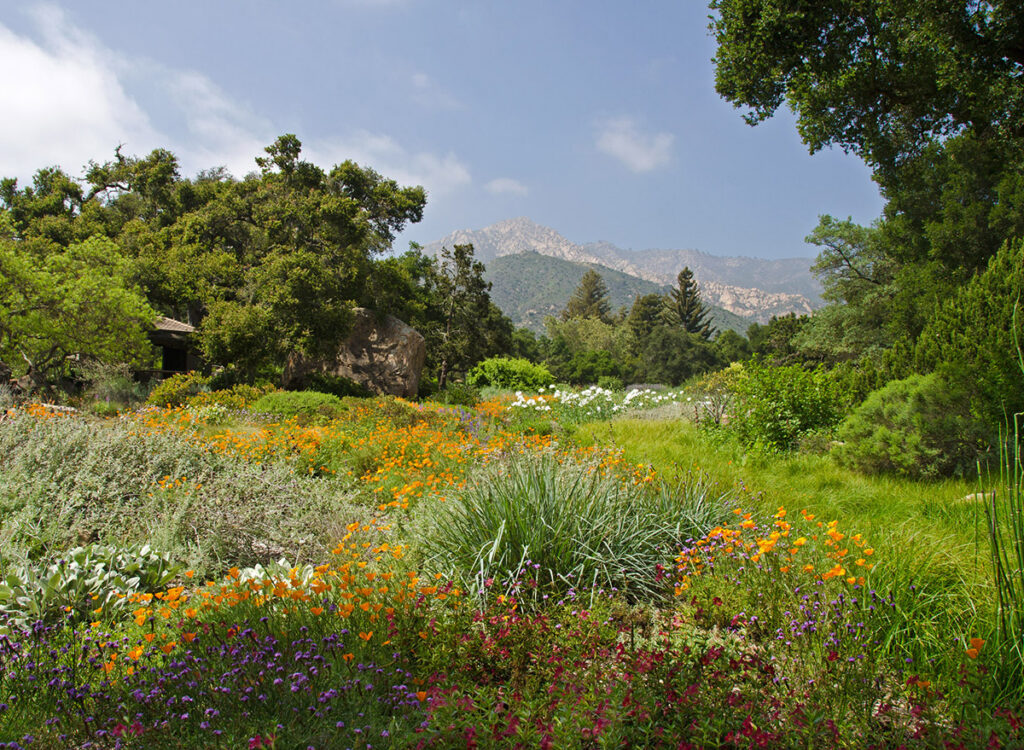
What strikes me about that sentence is its humility. It does not describe a finished institution or a guaranteed success. With 15 acres and a vision, Mrs. Bliss founded the first botanic garden in the United States devoted exclusively to native plants. She could not have known that this gift, in honor of her father, would grow from those first acres into 78 (31.5 hectares), or that a garden tucked into Mission Canyon would one day influence conservation across the central coast.
But that is the nature of generosity. What begins with an idea can grow into something transformative.
In 1926, pioneering ecologist Dr. Frederic Clements set out to create a garden that would celebrate California’s remarkable plant life. It’s unlikely he could have imagined that nearly a century later, his vision would evolve into a dynamic living laboratory powered by a team of over 20 scientists, including a dedicated ecology team. Today, their work explores the complex relationships among native plants, pollinators, beneficial insects, birds, and terrestrial invertebrates — strengthening food webs, building fire resilience, conserving water, and restoring ecosystems.
Under Dr. Katherine K. Muller’s leadership from 1950 to 1973, the Garden strengthened its identity as a place where research and education meet. That legacy lives every day. Thousands of schoolchildren walk our trails each year, many encountering native landscapes for the first time. Through our Museums for All partnership, families of all economic backgrounds can experience the Garden, ensuring that a connection to nature is not a privilege but a shared opportunity. Just last year, over 3,000 individuals were welcomed to the Garden through this program. This is noteworthy because the children exploring here today are the conservation leaders of tomorrow.
And behind the scenes at the Garden today, thanks to ongoing generosity and support, there’s even more happening.
In our Clifton Smith Herbarium, more than 230,000 preserved plant specimens, some dating back to the 1800s, quietly tell the story of California’s changing landscape. Together, they form an irreplaceable scientific record used by researchers around the world to understand how plant populations are shifting in response to climate change. What may look like a single pressed plant is, in truth, a data point in a 150-year timeline of change. It is how we measure loss, guide restoration, and prepare for what comes next.
Beyond the Garden grounds, our work continues to expand. Through our Landscape Transformation Project, native plant demonstrations take root from Elings Park to the Cuyama Valley. We are partnering with communities, farmers, businesses, and policymakers to increase biodiversity, conserve water, and strengthen climate resilience across our region.
Just as it began with a generous gift in 1926, the Garden’s work today continues because of supporters like you.
While admission fees and memberships help open our gates each day, it is philanthropy that makes our conservation, research, and education programs possible. Here’s what your gift today enables the Garden to do:
- Protect endangered species before it’s too late
- Welcome school groups and families who might not otherwise experience nature
- Maintain irreplaceable seed collections and herbarium specimens
- Conduct cutting-edge research on plant-wildlife relationships and ecosystem restoration
- Train landscaping professionals to care for native plants in private spaces
- Partner with communities, businesses, farmers, and policymakers to create measurable conservation impacts across our region
- Grow the native plant movement to spread our impact farther and faster with the help of our community
As we celebrate the Garden’s centennial, I invite you to see your support as a continuation of the generosity of our original visionaries—and recognition that aspirational ideas can become reality. Because a small group of believers invested in an idea 100 years ago, we now steward 78 acres, advance globally relevant research, educate thousands of children, and help shape a more resilient California landscape.