By Dan Wilder, Director of Applied Ecology at Norcross Wildlife Foundation
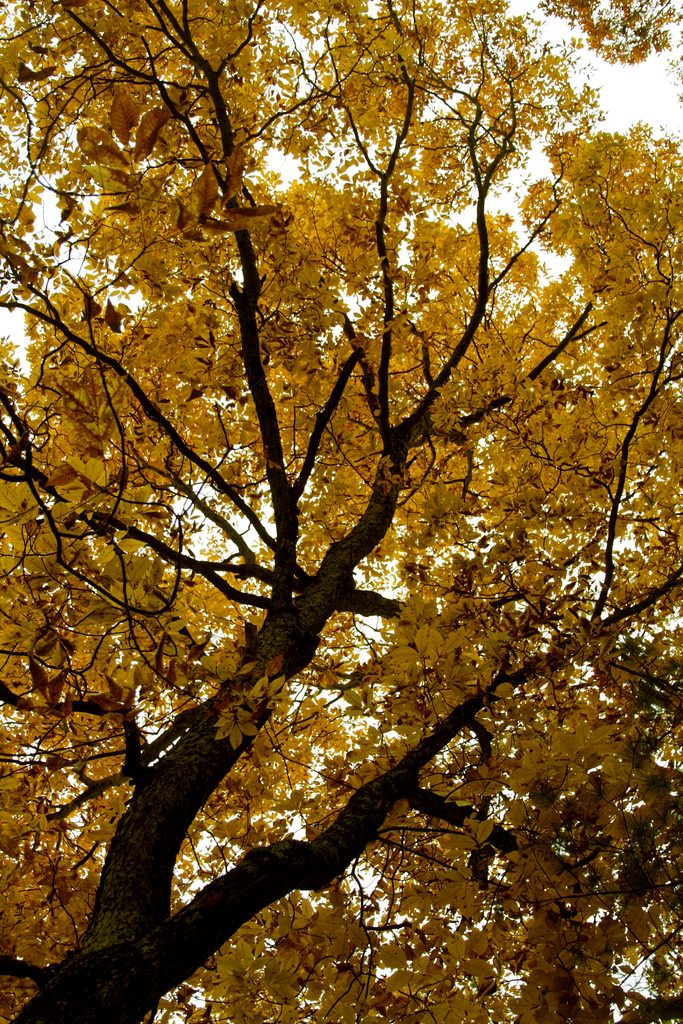
Forests in the Northeast are deeply affected by the history of human interactions. We don’t know nearly as much about the forests before the colonial period as we would like, but we do know that many of the forests of Northeastern North America were cleared for agriculture in the early 19th century and within the next century many of those farms were abandoned for the richer soils of the Midwest.
On the scale of forest’s lifetime this is a rapid clearing and reforestation, the results of which can be seen in many forests under the care of the Norcross Wildlife Foundation. This includes a section of forest just south of the meadow known as Brinson’s Pasture (soon to be Brinson’s Blueberry Patch). Walking through this forest is an interesting experience, the canopy is dominated by red oak (Quercus rubra), almost all of which are 80-120 years old. The understory is sparse with minimal understory plants and very few tree saplings. One plant which is common in the understory is Japanese barberry (Berberis thunbergii), an invasive species which has been linked to the increased presence of white-footed mice, a primary host for Lyme carrying black-legged ticks. The state of this forest is the result of the history of the forest — clearing, reforestation, the introduction of invasive species, and the abundant deer population, due to the loss of predators.
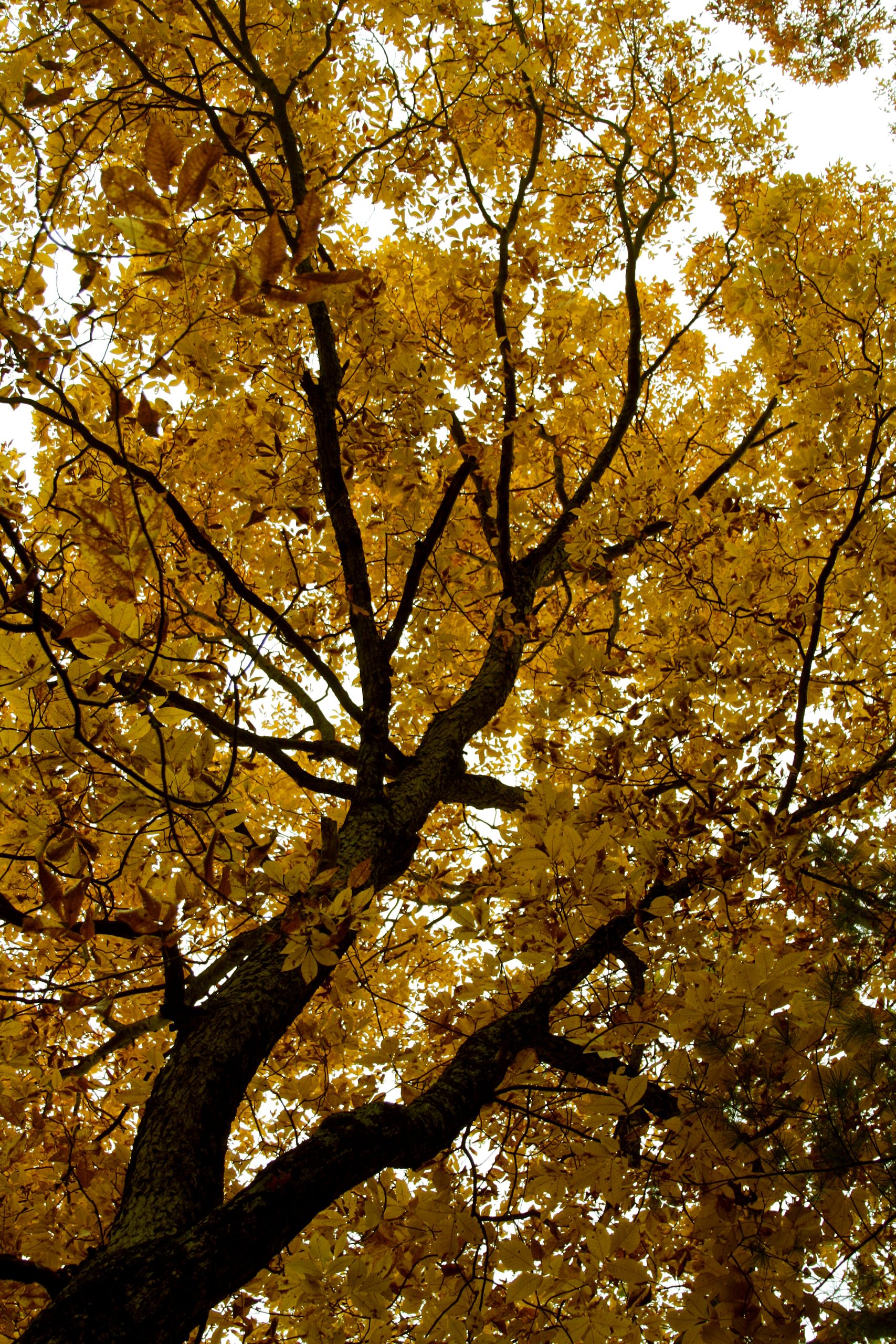
When a forest is composed of a diversity of canopy species, with numerous saplings in the understory, it is a resilient forest. If a disease such as oak wilt (Bretziella fagacearum) were to reach the forest, the oak trees would suffer but species such as hickory and maple would be unaffected. The forest south of Brinson’s Pasture, on the other hand, would be greatly affected. If oaks declined, the entire canopy could be threatened. Without diverse species of saplings in the understory, it could take many years for new trees to reach canopy heights and meanwhile the barberry would spread rapidly in the newly light-filled understory. Insert Carya glabra photo
Without the anthropogenic history of the forest, natural processes such as hurricanes, fire, and the competitive nature of forest ecosystems tend to result in a diverse forest. It is these sorts of natural processes that Norcross aims to mimic when determining management goals for a forest. In the Brinson’s Forest Area, the strategy is to create scattered openings of various sizes and shapes in the canopy via targeted logging. These openings will favor different species and age classes and over time will mature into younger sections of a generally older forest. Combined with invasive species management and the possibility of slash walls/carpets to mitigate deer overbrowse,the goal will be to facilitate a more diverse and resilient forest for generations to come.
Dan Jaffe Wilder is an ecologist, horticulturist, and botanist with over fifteen years’ experience working with native plants and their associated ecology. His work has ranged from classrooms to nurseries to botanical gardens to wildlife refuges specializing in native plant ecology, propagation, wildlife habitat construction, and native edible landscapes. Dan is currently the Director of Applied Ecology for the Norcross Wildlife Foundation whose mission is to protect, enhance, and expand wildlife through conservation, education, and support. A prolific photographer and author Dan’s book Native Plants for New England Gardens was released in 2018.